Helping Hands Humane Society: Shelter Foster Support Grant Report

How did this grant help your organization and the pets in your care?
Since the beginning of 2026, 54 animals have been placed in foster care through the PHAT Cat program at the Topeka Correctional Facility. Of those, 21 animals remain in foster placement, with the remainder having been successfully adopted!
The program continues to show a truly meaningful impact and non-traditional relationship for both animals and the residents involved. Facility staff have also reported a significant decline in self-harm incidents and suicide attempts among participants, which they directly attribute to the structure, responsibility, and emotional support the program provides.
The residents at the prison report that time spent with the animals gives them a purpose each day. For many, they are serving life sentences and will never be able to be released, so getting to see the animals leave and find new homes after their foster story is completed is a redemption for them. Even if they can’t get a second chance, the animals do.
Initially when we received the grant funds, we wanted to ask the inmate fosters directly what they felt would make the biggest difference in their their day-to-day care of the animals before placing expense orders. Since they do the work and aren’t able to purchase items themselves, it was important to us to take time to announce the grant and get information rather than hurry to spend it.
The feedback was pretty consistent: They wanted better ways to manage space and housing, especially with multiple animals and litters in the same areas.
Because of that, we went ahead and placed a set of priority orders.
This included two outdoor pens to help with separating animals safely in the prison yard, particularly litters of puppies. Different ages have different vaccine statuses and they didn’t want all the ages to be able to mix and potentially risk spreading diseases.
We also ordered six standard Kuranda beds to keep the dogs off the concrete floors at night time and allow them to sleep comfortably in the cells, and four large fans to improve airflow as we head into warmer months. The resident inmates were concerned about the ventilation in the historic limestone cellhouses and – while they are used to sweating – they didn’t want their fosters to get too hot.
We’re intentionally holding the remaining funds for now to cover upcoming needs like medical care and prescription diets over the summer, when those costs tend to increase as we place more fragile cases with the prisoners there.
We are all so grateful for the help this program has offered!
How many pets did this grant help?
200
Please provide a story of one or more specific pets this grant helped.
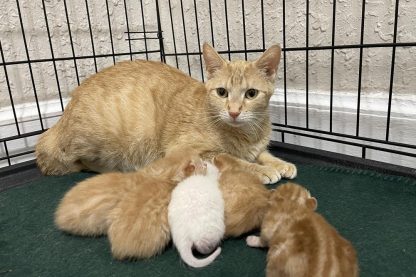
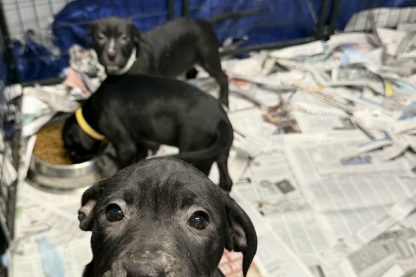
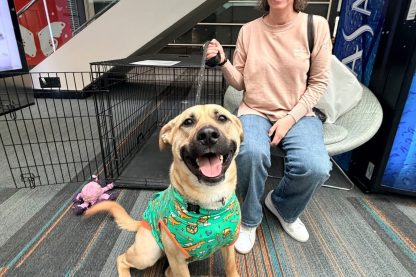
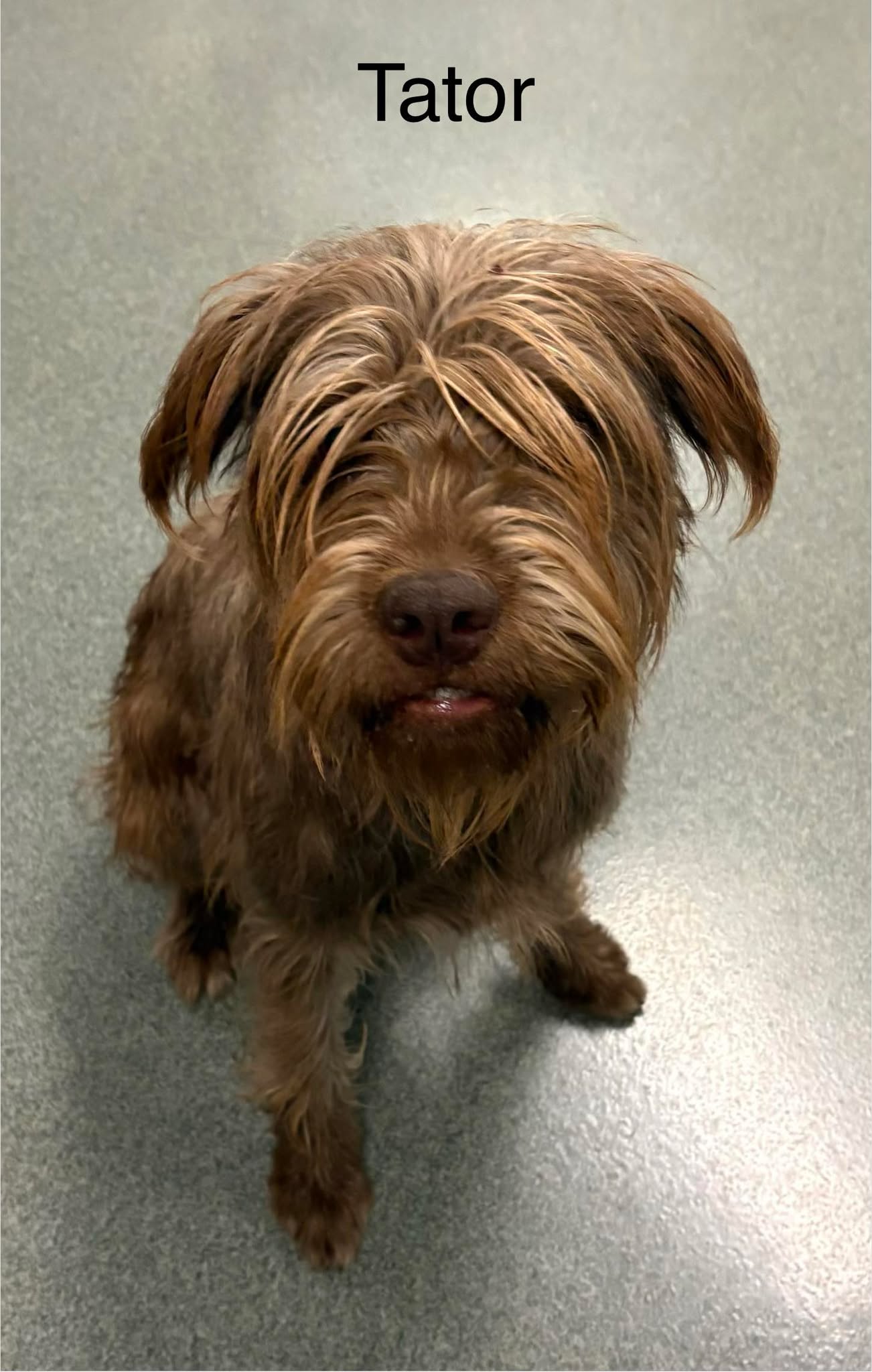
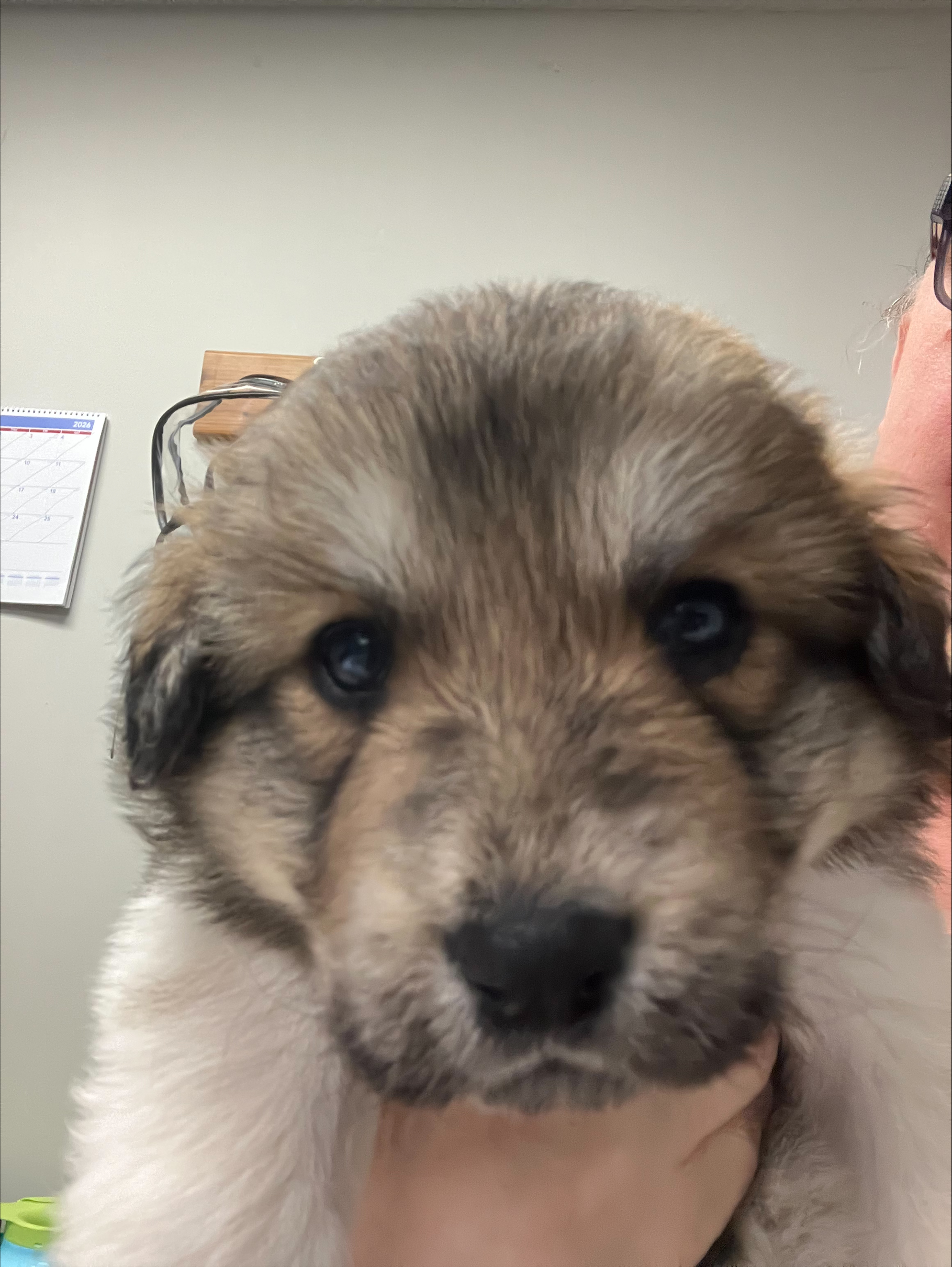
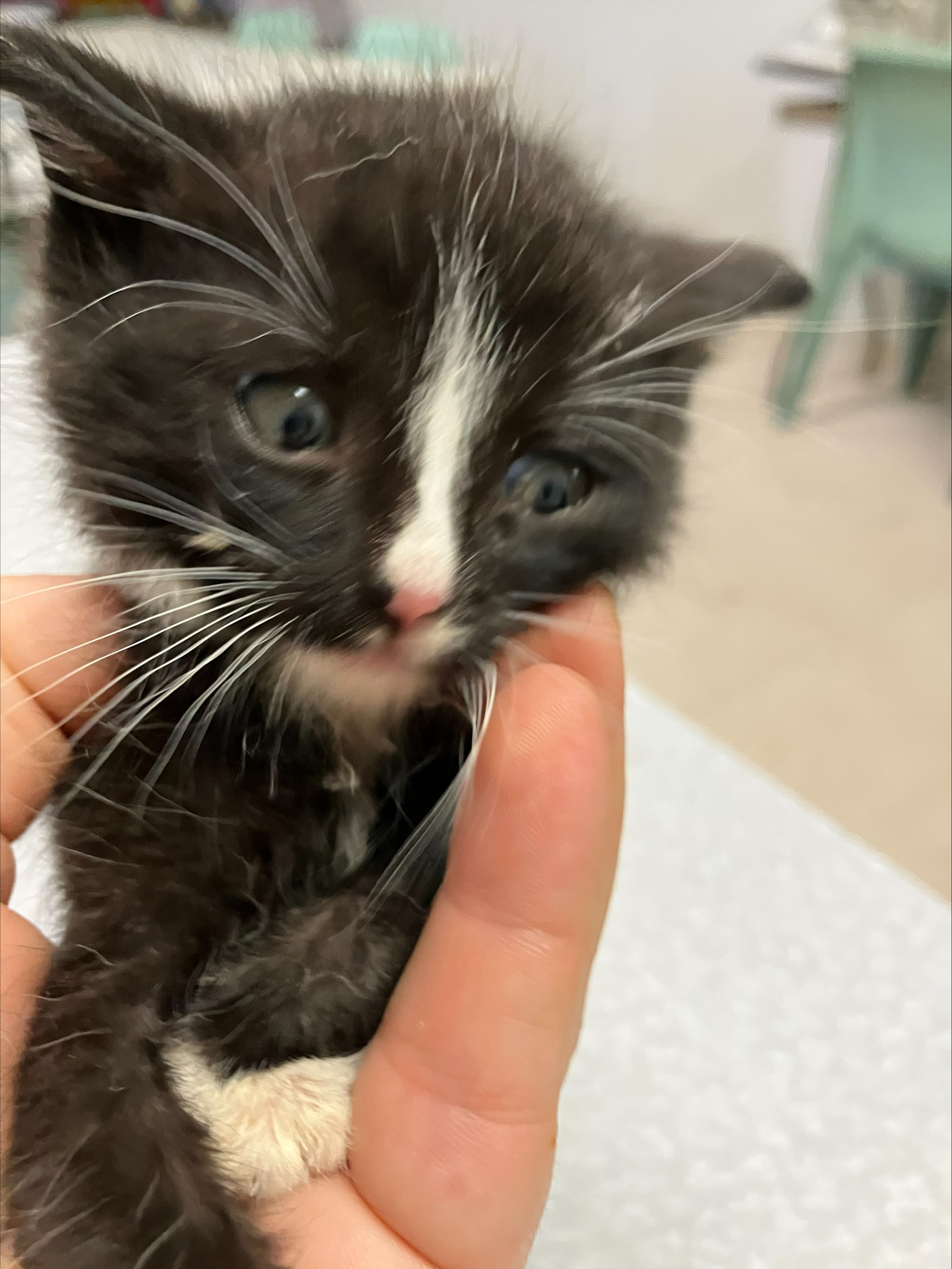
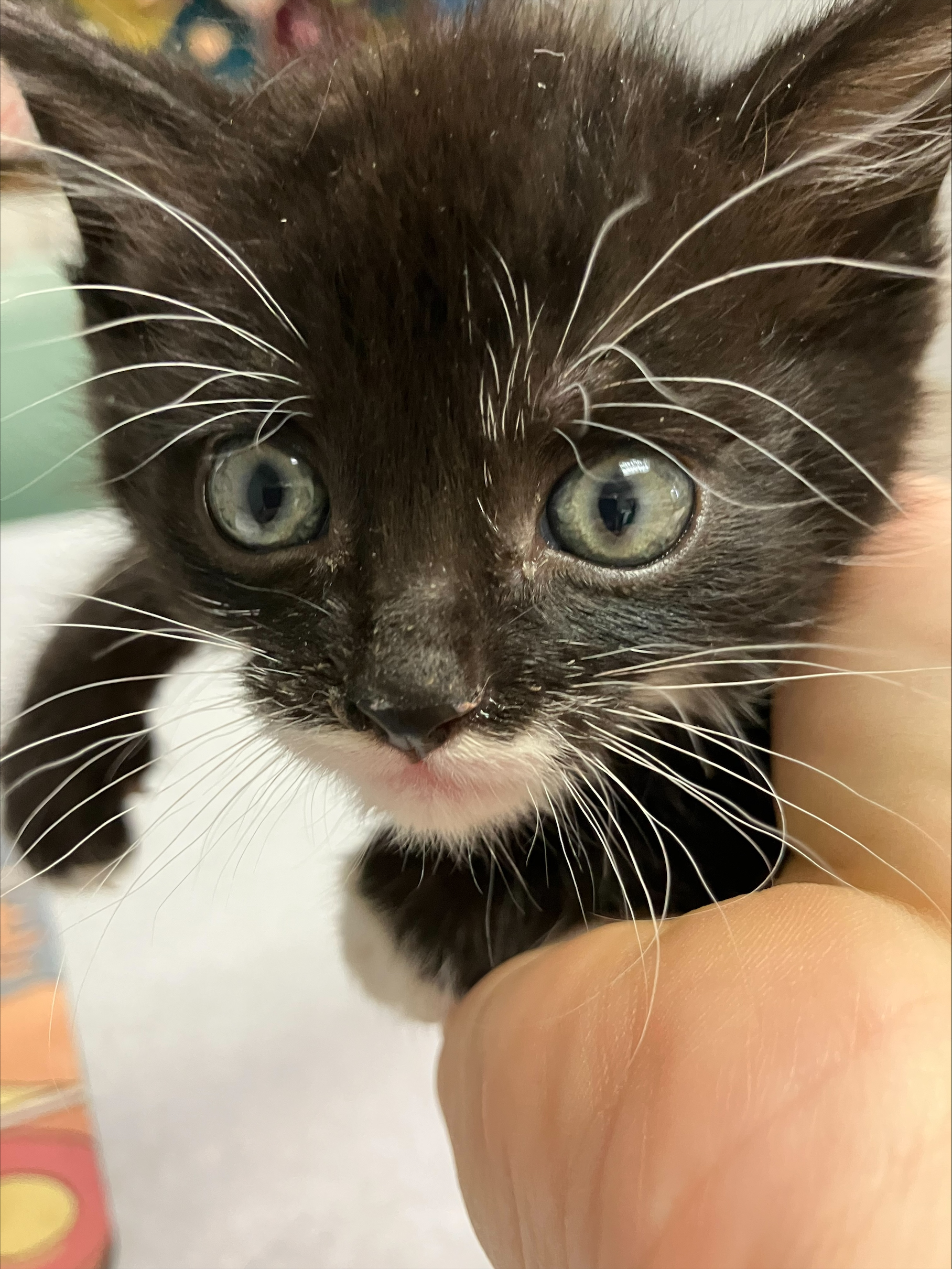
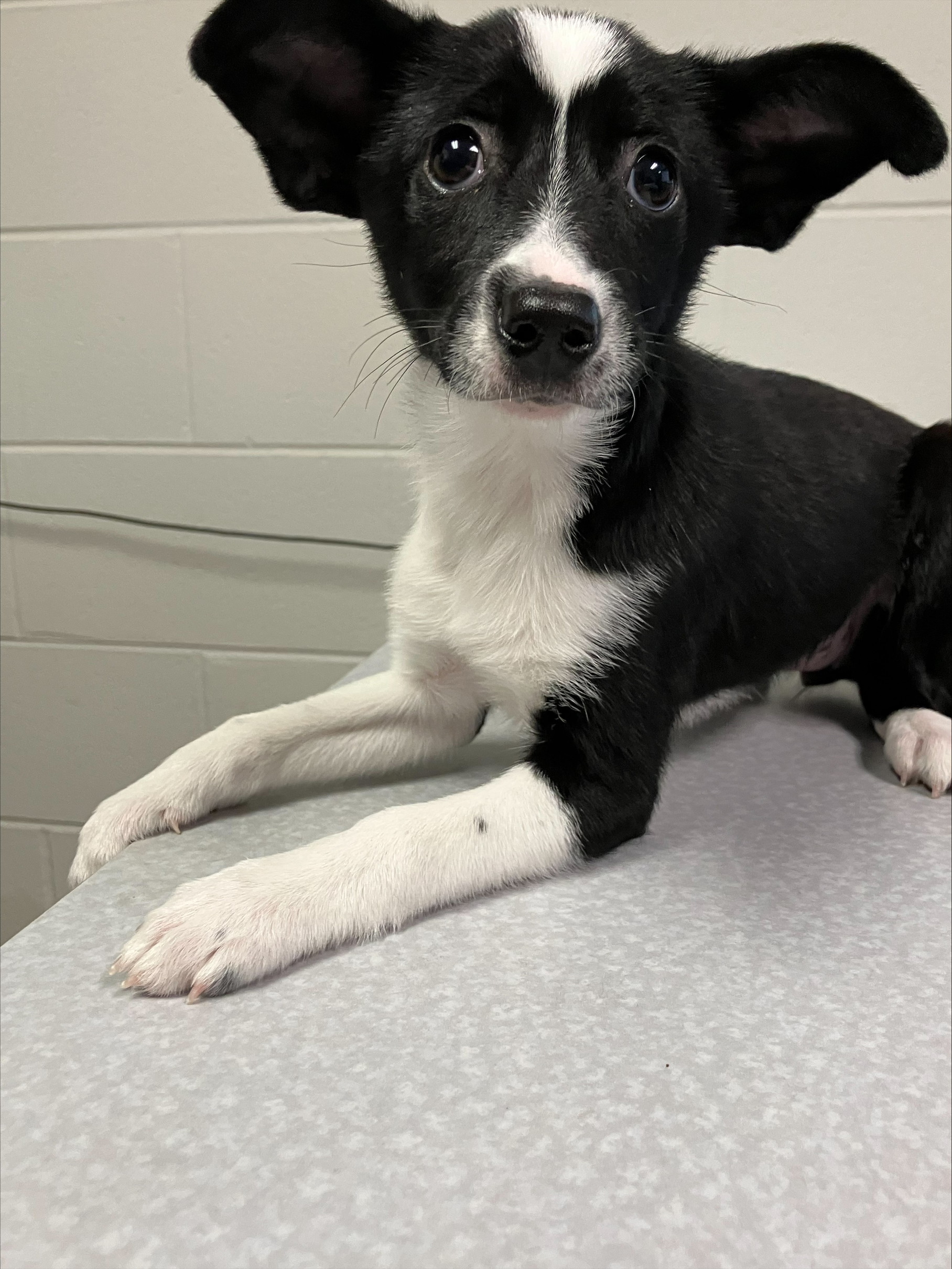
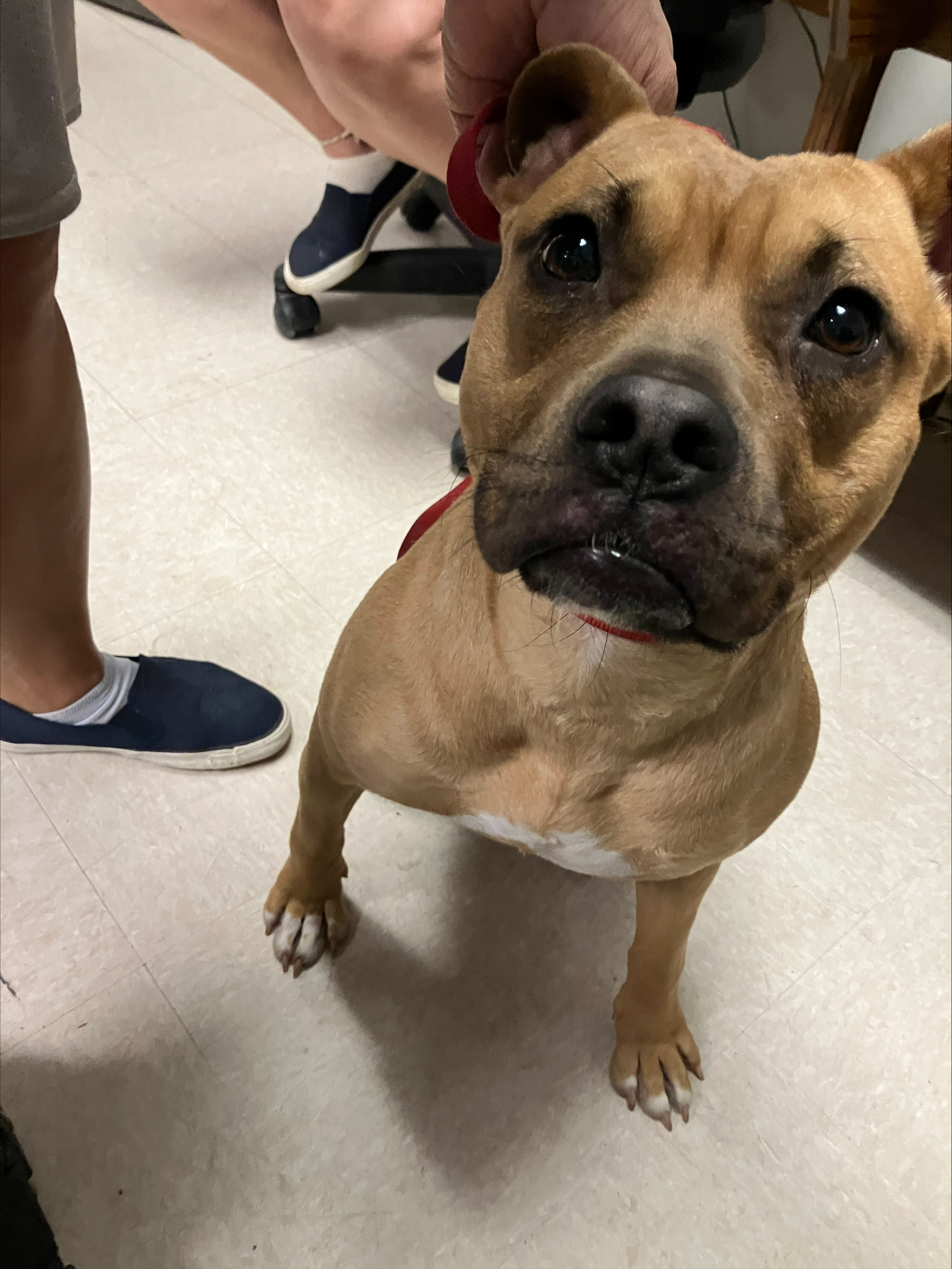
We have a mix of photos from the program, including a photo of Tator, who is referenced in the below story, as well as several additional photos of animals currently in placement at the correctional facility. Because we are not able to include inmate-identifying images in any public-facing materials, photos from inside the facility are cropped to remove individuals and just show the animals. Even so, the images still show the concrete housing environment alongside the obvious evidence of attention, care, and consistency the animals are receiving from their handlers.
One of the most meaningful recent success stories from the program is about Tator, a 1-year-old terrier mix (possibly wheaten terrier, though his exact mix is unknown). When he arrived at the shelter in January, staff described him as “a hot mess” — a dog with very little structure or manners who was extremely hyperactive, nippy, and prone to jumping up at your face. He had been surrendered for being “very hyper, tearing things up, and nipping at ankles.”
Tator was placed in the PHAT Cat foster program at the Topeka Correctional Facility, where he was paired with a resident serving a life sentence. She worked with him one-on-one, essentially 24/7, providing consistent training, structure, and calm repetition of expectations in a highly controlled environment.
Over the course of two months, Tator completely changed. His behavior stabilized, his impulse control improved dramatically, and he began responding reliably to commands and boundaries. His progress was so significant that it even caught the attention of a corrections officer who had frequent interaction with the program.
Because of concerns about how Tator might transition from that highly structured environment into a traditional home setting, we arranged a foster-to-adopt placement with that officer, who already had other dogs at home. This allowed us to better understand how Tator would function outside of his training environment.
Within just four days, the officer reported that Tator was “the most perfect dog he’s ever had.” He described him as fully well-mannered, responsive to every command, confident but gentle, and able to settle seamlessly into their home.
Tator’s story is a strong example of what this program is all about: offering animals a foster who has nothing but time and love to give.