Humane Society of Southwest Missouri: Kia Pet Adoption Grant Report


How did this grant help your organization and the pets in your care?
The Kia Pet Adoption Grant made a meaningful impact on both our organization and the animals in our care. The funding allowed us to waive adoption fees for some of our most overlooked populations — long-term residents, senior pets, animals with medical or behavioral needs, and pit bull–type dogs who are additionally affected by BSL in our community. By removing the financial barrier, we were able to encourage thoughtful adopters to consider animals they may have otherwise overlooked, helping them find loving, permanent homes.
The animals supported by this grant are the ones who traditionally face the greatest barriers to adoption. Because of the fee coverage, many of these long-stay and special-needs pets were finally able to leave the shelter environment, which reduced kennel stress, created space for new intakes, and allowed staff resources to be redirected to other urgent needs. Beyond the individual outcomes, the grant helped shift perceptions around pets often labeled as “less-adoptable,” giving them a fair chance at a happy ending.
How many pets did this grant help?
A total of 14 animals were helped through the Kia Pet Adoption Grant. These included pets with medical needs, behavioral challenges, long lengths of stay, seniors, and pit bull–type dogs — the very groups that face the biggest barriers to adoption in our care.
Please provide a story of one or more specific pets this grant helped.
With support from the $2,000 Kia Pet Adoption Grant, we were able to facilitate the adoption of 14 hard-to-place animals, covering adoption fees for pets with long lengths of stay, behavioral or medical challenges, seniors, and pit bull–type dogs. These animals were often overlooked by adopters due to age, medical needs, behavior issues, or breed, and this grant played a critical role in helping them find loving homes.
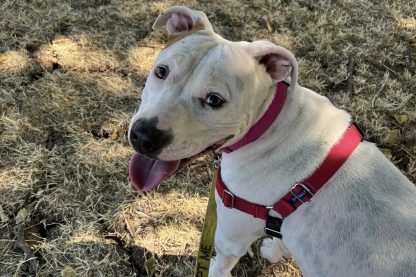
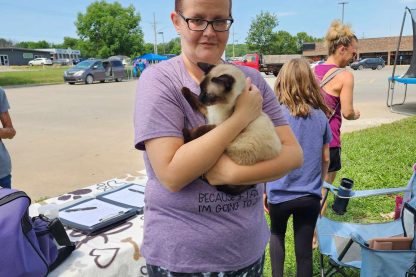
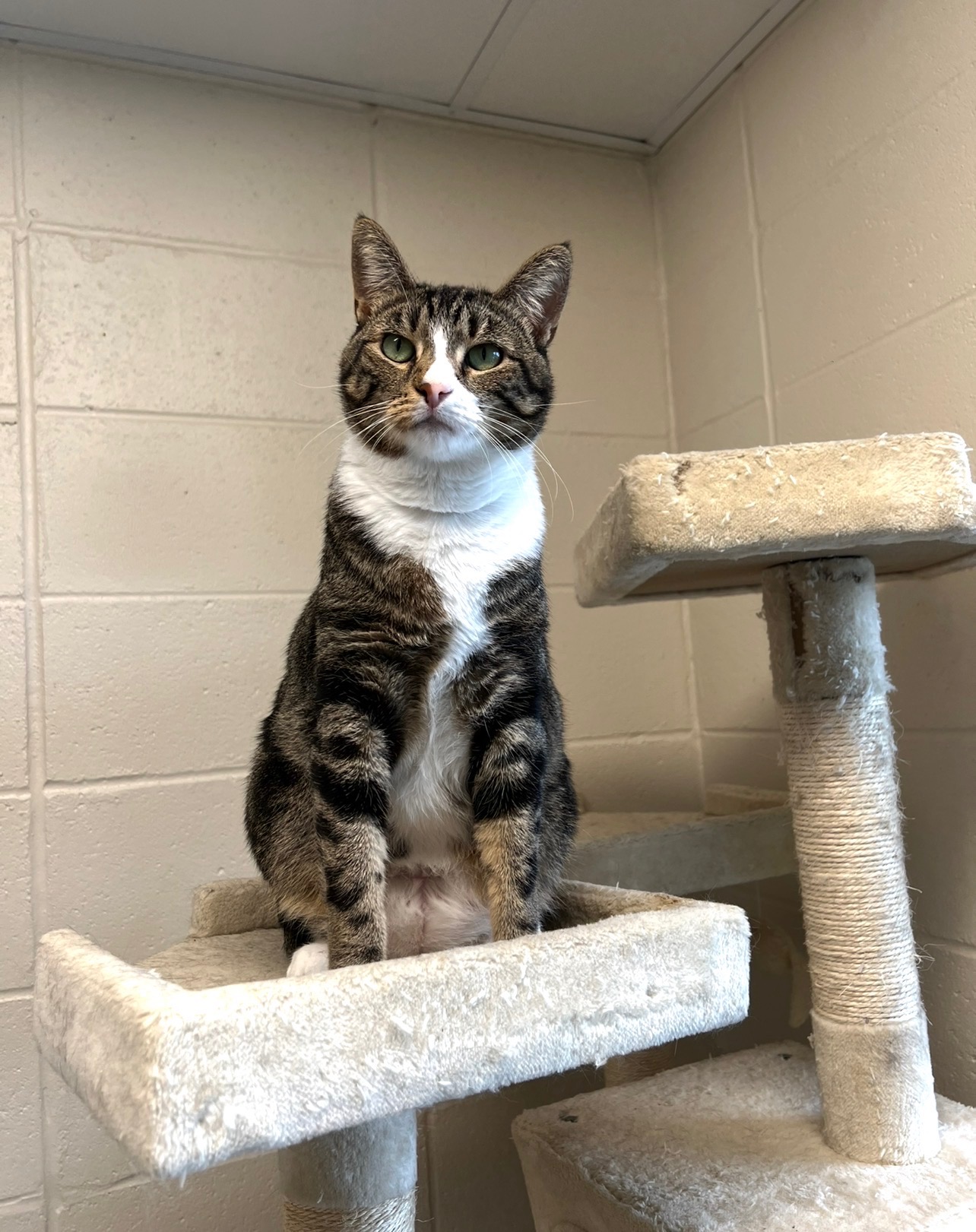
Medical adoptions included Pedro, a 2-year-old husky mix who spent 138 days in the shelter; and Abe Lincoln (first photo), a 7-year-old domestic longhair who was passed over by adopters due to a malformed ear (cauliflower pinna) and dental issues. Abe Lincoln requires routine care for his abnormal ear anatomy and spent 103 days in the shelter before finding a home as an only pet, ensuring he will receive the individualized attention he needs.
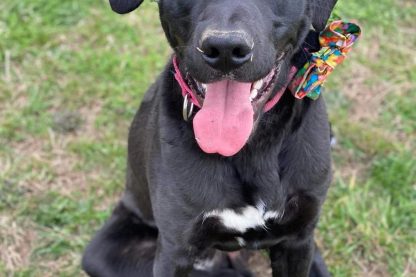
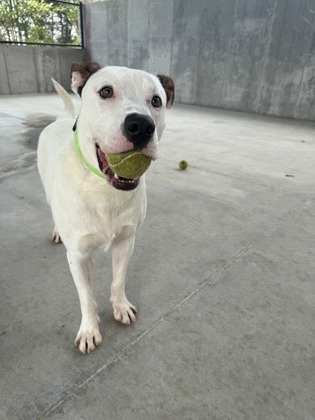
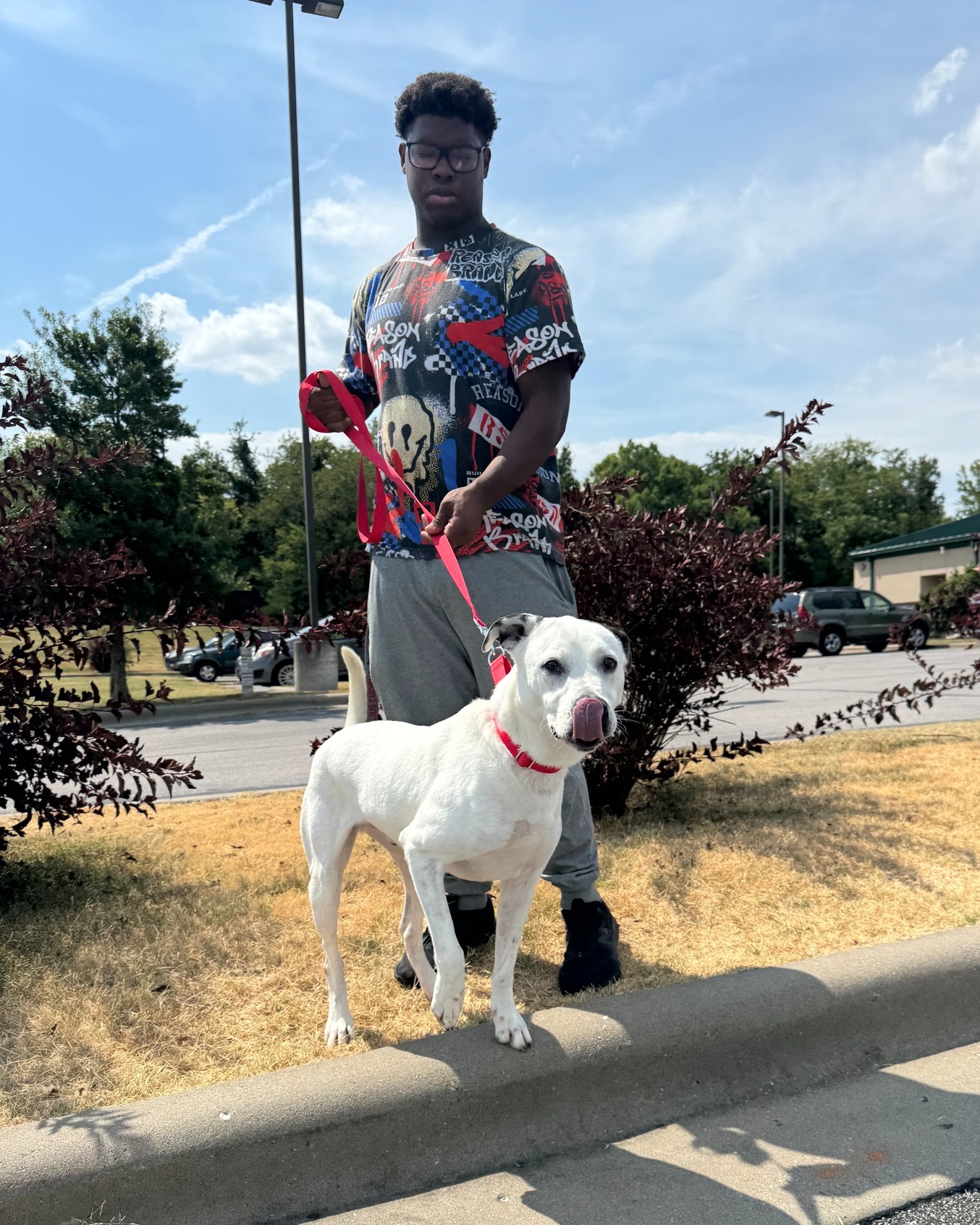
Behavioral adoptions included Mrs. May May, a 4-year-old DSH (116 days); Sheldon, a 1-year-old Pyrenees mix (181 days); Ridge (second photo), a 1-year-old Lab mix (130 days); Little Winter, a 2.5-year-old terrier mix (two days); and Josie, a 2-year-7-month-old border collie mix (100 days). Alana (third photo), a 2-year-old DSH (165 days), was adopted with both behavioral and medical support.
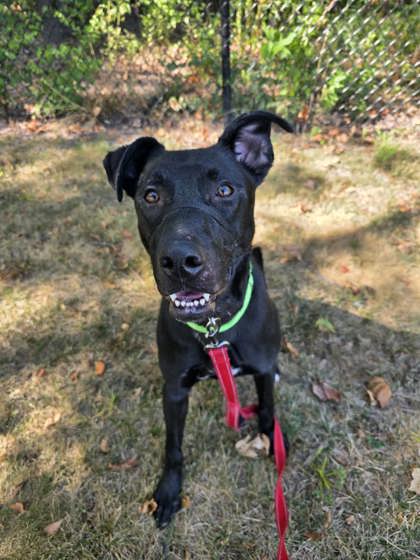
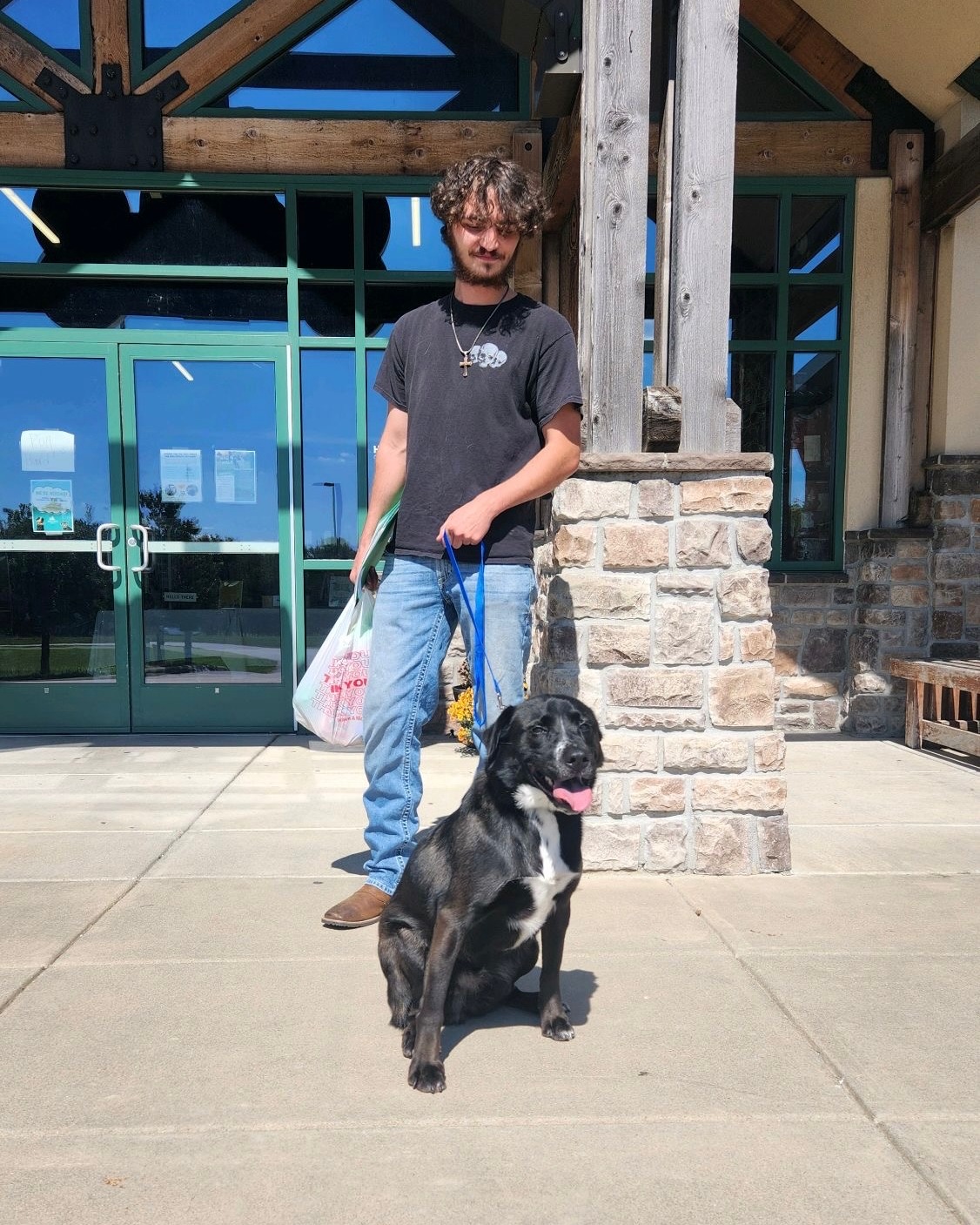
Long length of stay/behavioral adoptions included Ozzy (fourth photo), a 2.5-year-old pit bull mix (266 days); Hunter (fifth photo), a 6-year-old American bulldog mix (651 days); and Toby, a 2-year-old Lab mix (531 days).
Hunter had been on long-term trazodone and gabapentin for kennel stress and required a home with older children only, no cats, and a mandatory meet-and-greet. He was fearful of men, food-aggressive, and sensitive to head-petting, but was adopted by a female owner who could give him lots of attention.
Toby (sixth photo) struggled with food-aggression and resource-guarding, fearfulness, and some past biting behaviors. He went home with an adopter who had no other pets and access to a fenced-in park at his apartment complex, providing a safe, structured environment for him to thrive.
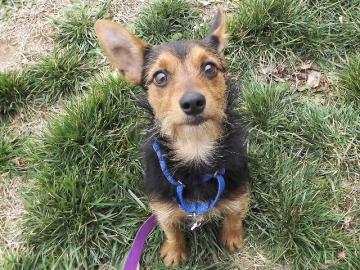
Senior and medical adoptions included Sol/Fremont (seventh photo), a 15-year-old terrier mix (two days); Little Bear (eighth photo), a 13-year-old shih tzu mix (35 days); and Aubree, a 14-year-old miniature poodle (59 days).
Little Bear had reduced vision and was diagnosed with keratoconjunctivitis sicca (dry eye), requiring lifelong eye medication. He was adopted by a family with two other older dogs and no children, ensuring a calm, supportive environment for his needs.
Thanks to the Kia Pet Adoption Grant, all 14 animals were successfully placed in loving homes. This not only reduced kennel stress and opened space for new intakes but also gave pets who traditionally face the greatest barriers a fair chance at a happy ending, often in homes tailored to their specific medical or behavioral needs.