Humane Society Silicon Valley: Disaster Response and Recovery Grant Report


How did this grant help your organization and the pets in your care?
The Petfinder Foundation Disaster Grant provided critical support that enabled HSSV to maintain lifesaving operations following the devastating December 2025 fire that destroyed over half of our facility. With our holding spaces and adoption areas gone, we only had makeshift facilities to house our animals. This funding supported our foster program, which became essential to keeping us operational.
With most shelter space unusable, foster care transformed from a support program into our primary means of maintaining intake and adoptions. With this increased importance of fostering, we ensured we poured adequate resources into the program. We expanded our behavior team's capacity to provide specialized consultations and regular check-ins with foster families, ensuring they had the resources needed to manage complex medical and behavioral cases.
The enhanced foster program allowed us to continue serving vulnerable animals who required intensive care. For example, Riley, a neurologically impaired kitten with a severe ringworm infection, needed four months of specialized daily care to learn basic functions such as eating without assistance. The pup Star arrived with foxtails embedded throughout her body and fractured vertebrae, and needed weeks of intensive medical monitoring and rehabilitation. This kind of care would have been impossible without robust foster support services.
In the last several months, HSSV launched two foster programs that continue to maximize our capacity during the emergency:
Finder to Foster: Due to limited shelter space, this initiative engages community members who find kittens to foster them until they are ready for adoption, with HSSV providing complete support including supplies, medical care, and mentoring.
Home to Home: This program places animals directly with foster families instead of initially coming through the shelter. Foster families receive proactive behavior-team support and are empowered to help find adopters.
These programs not only addressed our immediate crisis but created sustainable models that continue to expand our lifesaving capacity beyond our physical facility limitations.
How many pets did this grant help?
560
Please provide a story of one or more specific pets this grant helped.
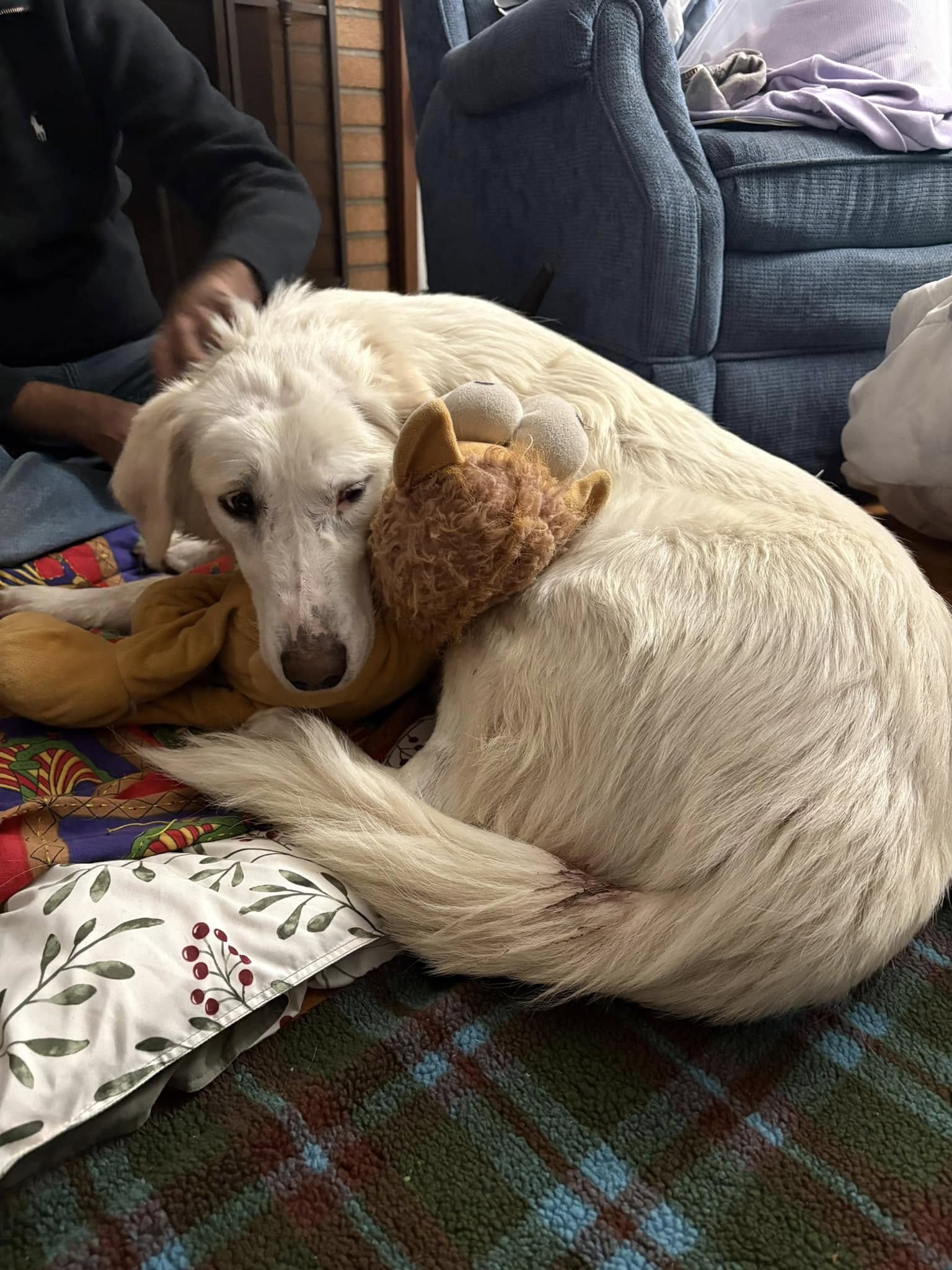
Seraphina arrived at HSSV as a stray with severe trauma. She was completely withdrawn and unable to engage in basic activities such as walking. Her condition required specialized intervention that exemplifies how grant funding makes it possible for us to address complex cases through foster care.
Seraphina was placed with an experienced foster family who connected with our behavioral team for extra support. To help Seraphina, her foster family fostered another puppy, and when that puppy was adopted, they fostered another. In total, Seraphina was placed with four foster puppies. This strategic animal placement allowed Seraphina to observe normal canine behaviors and gradually rebuild her confidence. The presence of well-socialized puppies demonstrated that play, human interaction, and daily activities were safe.
Grant funding enables us to provide adequate support to foster families managing complex cases like Seraphina’s. Our behavior team conducted home visits to assess progress and adjust care strategies, ensuring foster families had professional guidance throughout the rehabilitation process.
Over several weeks, Seraphina’s transformation was remarkable. She progressed from complete withdrawal to engaging in play with other puppies, and eventually to successfully walking on leash: fundamental behaviors that made her adoption possible. This case demonstrates how grant-supported foster programs can provide the specialized, patient care that shelter environments cannot offer, ultimately enabling animals with significant trauma to become adoptable family pets.