Rise Rescue Alliance: Emergency Medical Grant Report

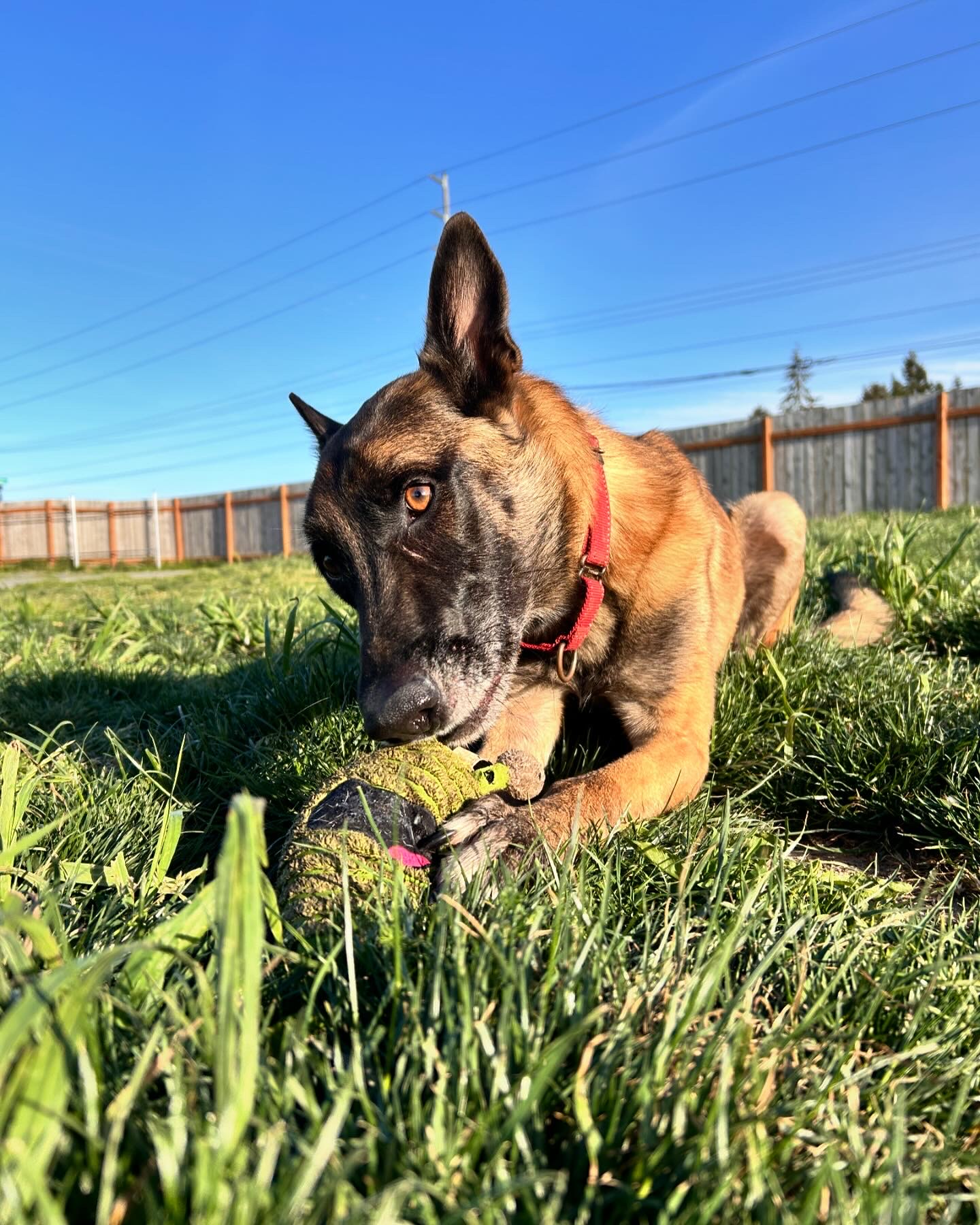
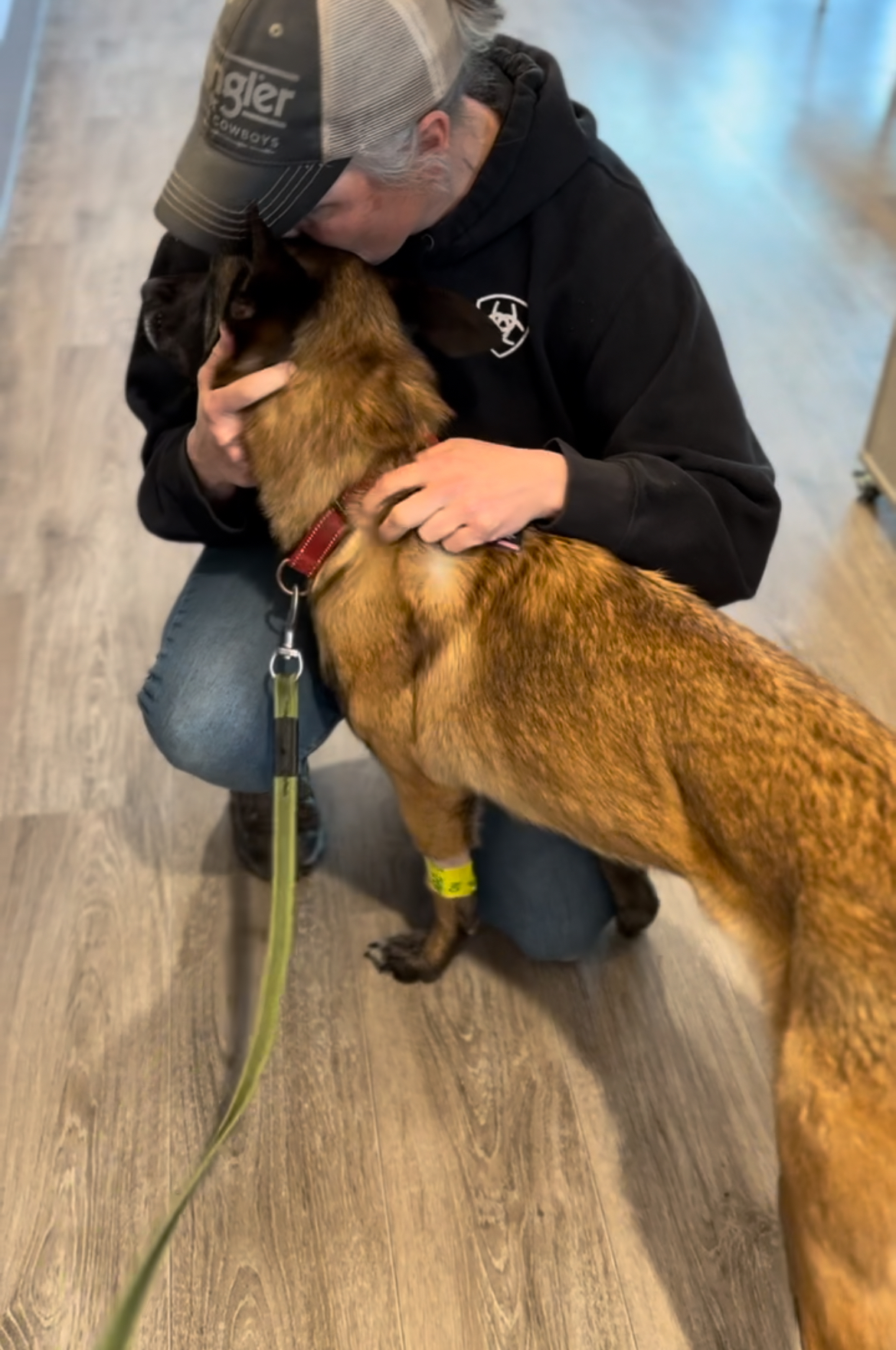
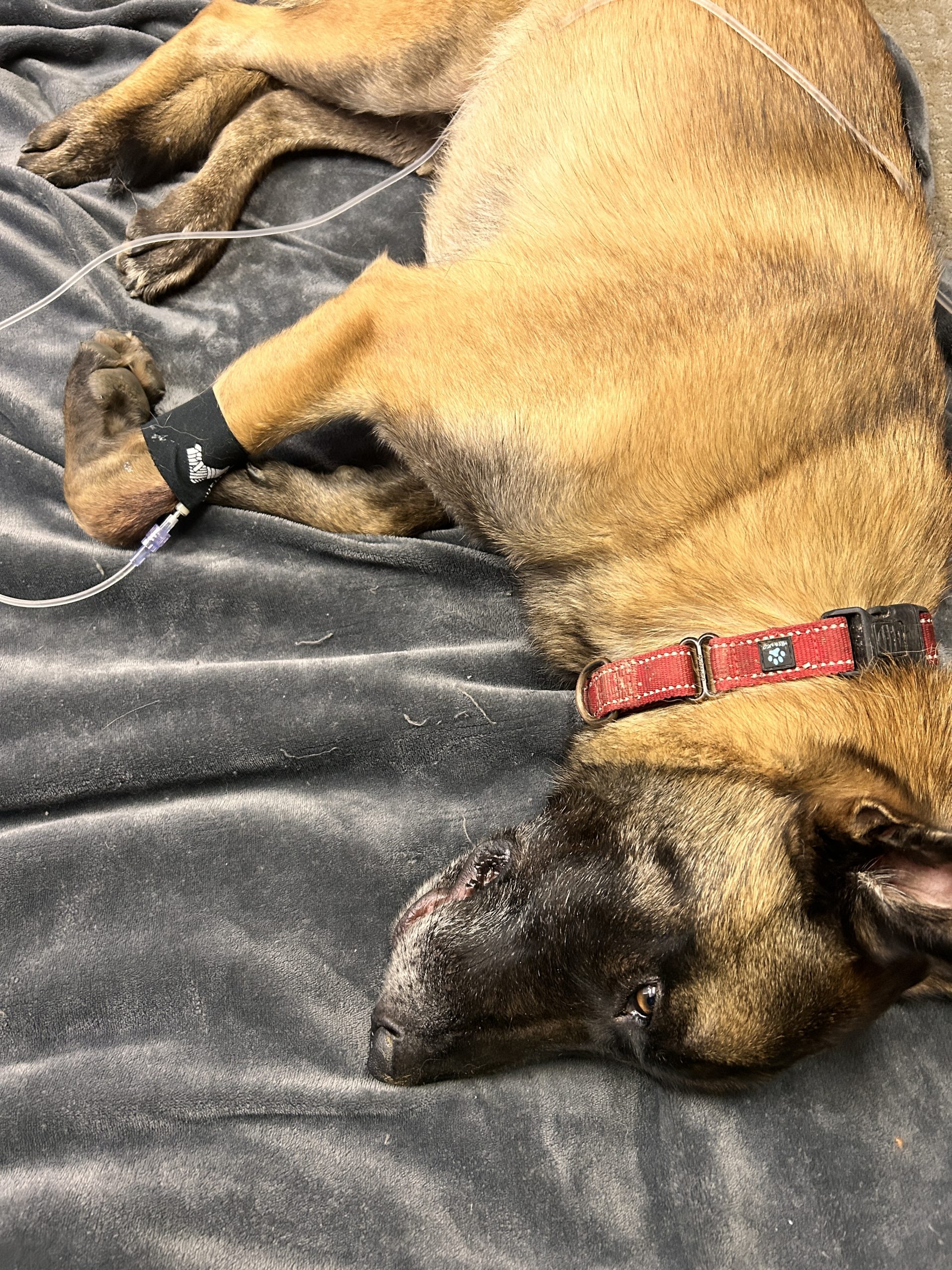
How did this grant help your organization and the pets in your care?
This grant helped us provide medical care for a dog in our program named Gus, who suffered from a sudden onset of neurological issues. Gus spent 24 hours in an emergency clinic and required ongoing treatment afterward. During his therapy, he suffered a major setback requiring additional emergency veterinary intervention.
Our total cost to get Gus healthy and adoptable has exceeded $4,000, not including the dedicated staff care that has been required to ensure he continues to get better. This is a huge financial stretch for our rescue, and this grant helped us recover some of our expenses so we can continue to give Gus the care he needs.
How many pets did this grant help?
1
Please provide a story of one or more specific pets this grant helped.
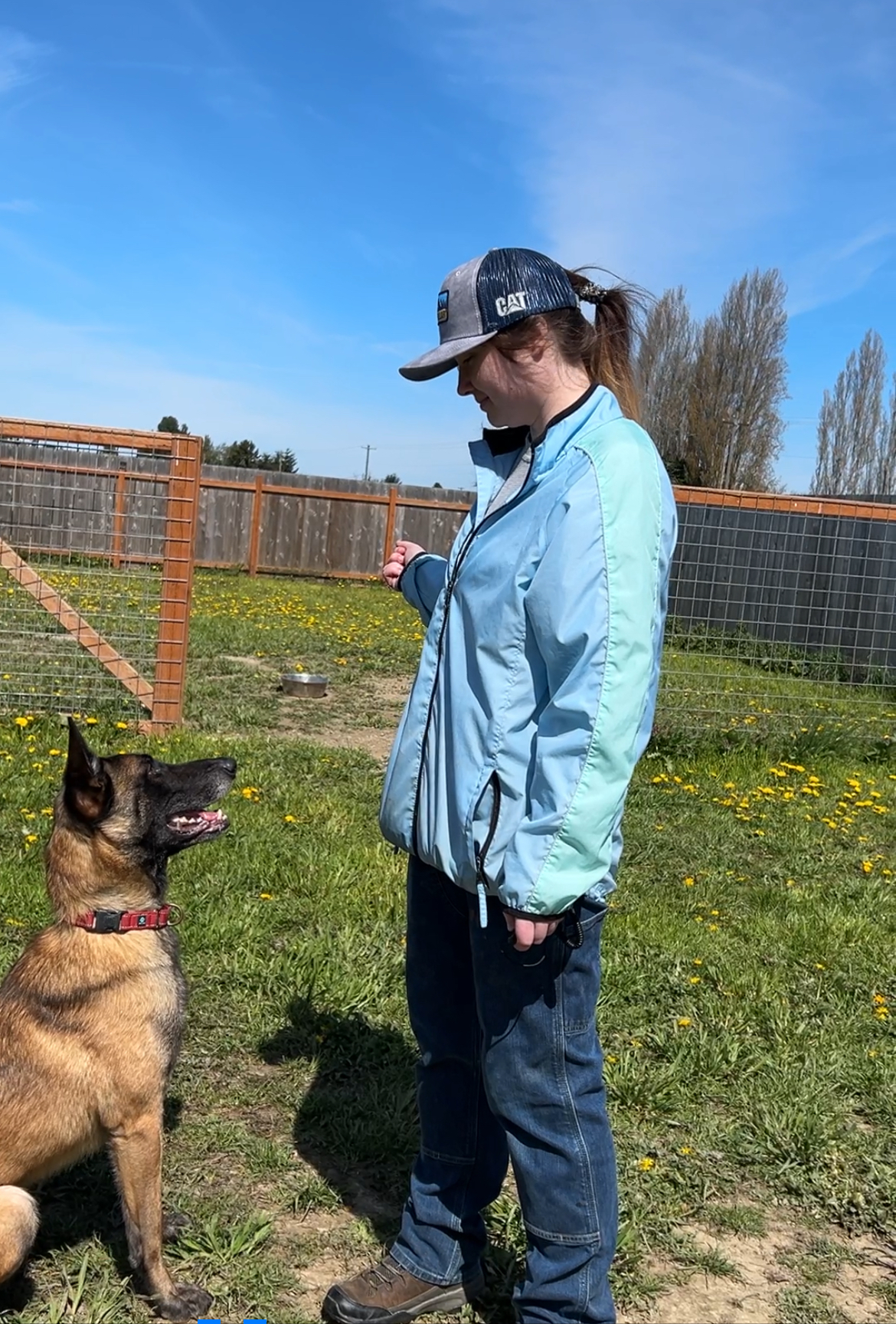
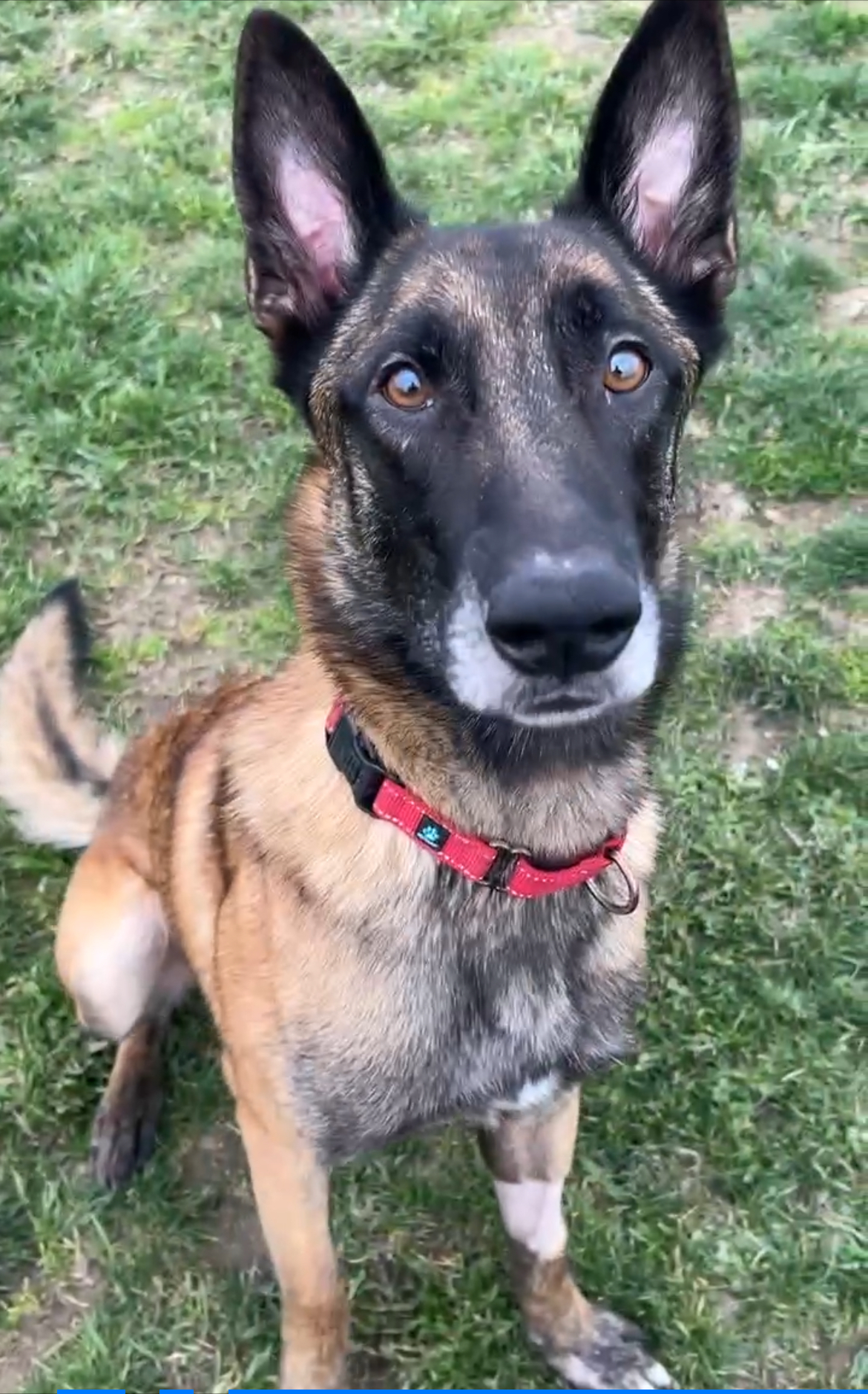
Gus, a Belgian Malinois in our program, was rescued from a rural shelter, where he faced euthanasia, and transferred to our program for training and placement. He then suddenly developed neurological issues.
When our staff came in, we found him in a messy kennel, and when we got him out, we noticed he had facial tremors. We connected with our staff veterinarian and began treatment, but we were limited in what we could do. Gus had to be transferred to a 24-hour emergency clinic.
At the clinic, tests were run and everything came back inconclusive. Gus was screened for toxin ingestion and tick-borne illness and all his organ functions were checked. Everything came back fine.
We were able to get his seizures under control with medication, and he was diagnosed with idiopathic epilepsy — essentially, he was having seizures and we didn’t know why.
He left the emergency clinic and was transferred back to our rescue to be monitored by our staff vet. When he came back to us, the neurological issues had stopped, but Gus was not the same dog he was before. His behavior was erratic and hyperactive, and he struggled with severe anxiety — something we’d not experienced with him in the past. We had no clue what was going on.
The new Gus remained seizure-free for several weeks. He appeared “healthy.” We suspected perhaps the seizure medication caused the change in his behavior, so our vet made the call to change to a medication with fewer side effects.
Things were going well … until they weren’t. All of the sudden, Gus spiked a 106-degree fever. Staff rushed into action, giving him fluids and taking measures to cool him, to no avail. Our vet dropped what she was doing, rushed over, set an IV catheter and started him on medications to hopefully break his fever. He was on the brink of death. We didn’t expect him to make it through the night.
But Gus is a fighter. His tired body rallied, his fever broke, and by the next morning, he was up and moving around.
Our vet then began aggressive treatment for meningitis, as there was now speculation that it was a high fever that brought on the neurological symptoms, and not the other way around.
With his new treatment, Gus is thriving. He’s finally beginning to gain weight (he was underweight when he arrived, and despite our best efforts, he didn’t gain a single pound in our care), he’s off of all his seizure medications, and, most importantly, he’s happy.
Gus will be ready to go to his forever home once he completes treatment. He is listed on Petfinder here.