Bitter Root Humane Association: Dog Enrichment Grant Report
How did this grant help your organization and the pets in your care?
Their are several reasons why shelter-dog playgroups can be beneficial for the dogs' well-being and their chances of being adopted:
1. Playgroups focus on the emotional and psychological toll of shelter life.
Loneliness and abandonment: dogs in shelters feel alone and abandoned and don't understand why they are there. Playgroups provide social interaction with other dogs, which can alleviate feelings of isolation and provide a sense of normalcy.
Lack of understanding: dogs do not understand why their family is no longer there. While play doesn't directly answer that question of "where did my family go?" it provides a positive outlet and a distraction from the stress and confusion of their situation.
Physical and emotional needs: Daily play in a group setting addresses both physical and emotional needs. It provides an opportunity for physical exercise, which is crucial for dogs' health, and it fulfills their innate need for social interaction.
2. They counteract the negative effects of "warehousing":
Mental and physical stimulation: Long-term confinement in a kennel ("warehousing") can lead to boredom, stress, and the development of behavioral issues. Playgroups offer a rich environment for mental stimulation and physical activity, which can prevent or reduce these problems.
Reduces perceived aggression: Dogs who struggle with behaviors that are perceived as aggressive have the opportunity to be better assessed. Playgroups, when managed by trained staff and volunteers, can help dogs learn appropriate social behaviors, build confidence, and reduce reactivity. What might be perceived as aggression could be fear or anxiety, and positive social interactions can help overcome these issues.
3. They enhance outcomes (adoption and beyond):
Improved behavior: A dog who has had the opportunity to play and socialize is more likely to exhibit good behavior in a potential home. This makes them more appealing to adopters and increases their chances of being placed in a permanent home.
Increased adoptability: When potential adopters see dogs engaging in positive social behaviors in a playgroup, they are more likely to see the dog's true personality and potential. This makes the dog seem more approachable and like a better fit for a family. (Our large play yard is in front of the shelter. Any number of people stop to watch playgroups and ask questions about the process and the dogs involved.)
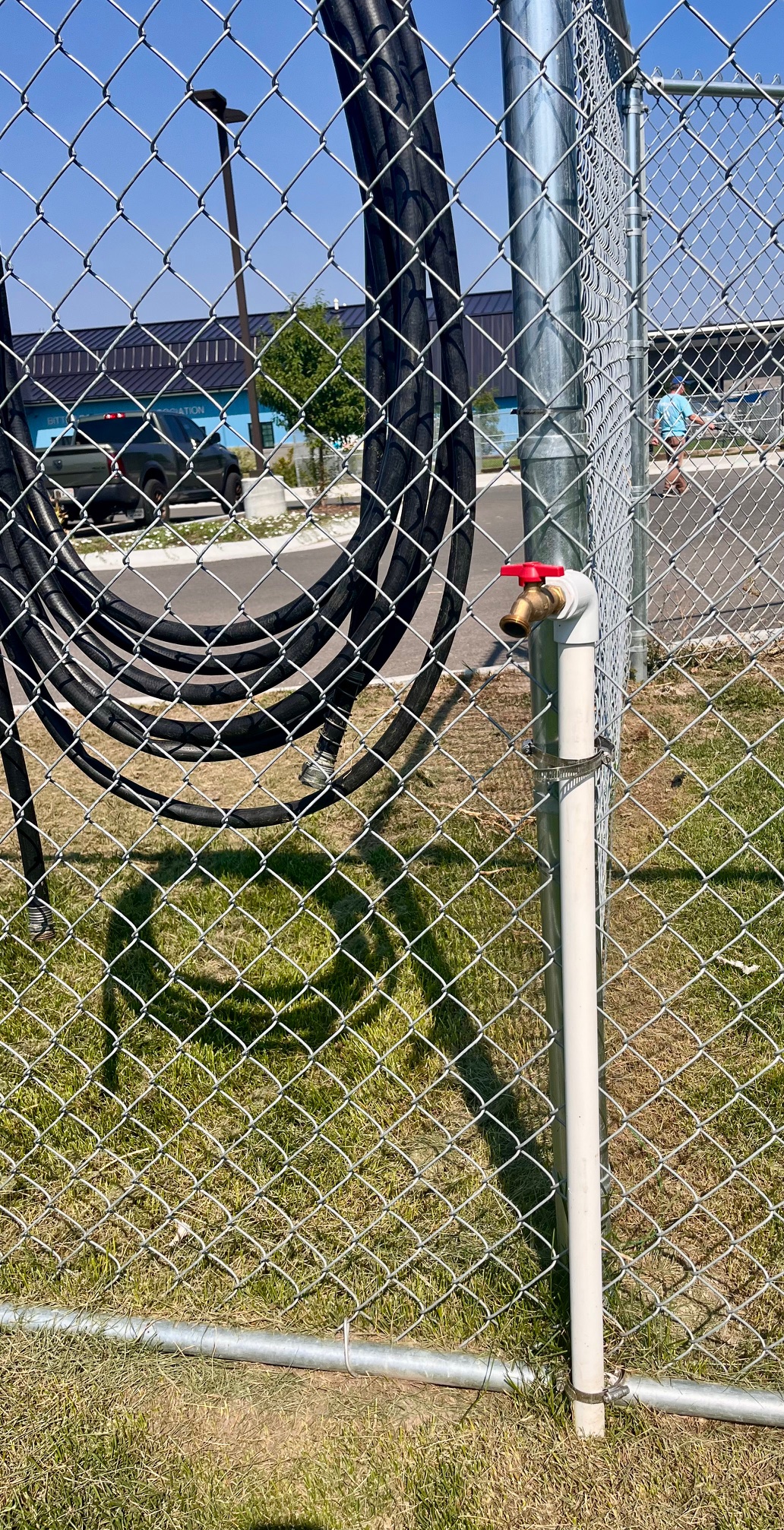
Reduced stress and improved kennel presence: A dog who is less stressed and better behaved in the shelter environment is more likely to make a good first impression on visitors. They will be more relaxed and engaging, which is a major factor in adoption decisions. (We have noticed with morning playgroups that the dogs are more relaxed, quieter, and more restful in their kennels during the afternoon. Additionally, afternoon playgroups are helpful with our younger and more energetic dogs. Having water for pools readily available and shade make this possible even on most summer afternoons.)
Shorter stays: By improving dogs' behavior and increasing their appeal, playgroups can help shorten their time in the shelter, which is a positive outcome for both the dog and the shelter's resources.
Structured playgroups provide a powerful and humane solution to many of the challenges faced by shelter dogs. By addressing their emotional needs, providing physical and mental stimulation, and improving their social skills, these groups directly enhance the dogs' welfare and dramatically improve their chances of finding forever homes.
How many pets did this grant help?
875-950
Please provide a story of one or more specific pets this grant helped.
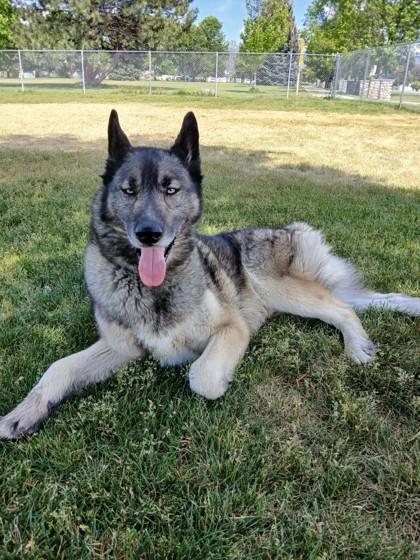
The play yard helps Rocky decompress. It allows him to express his true colors by giving him the opportunity to play with other dogs and to breathe fresh air. The pools give him a chance to cool off during the hot summer months, and are a space for him to lounge and bond with employees and volunteers.
Rocky is still with us, but he is a happy dog who enjoys people. He has gone on Adventure Days (dog’s day out) and been social with all he meets. Without enrichment from playgroups taught during Dogs Playing for Life’s two-day seminar with us, he wouldn’t be the relaxed dog he is.